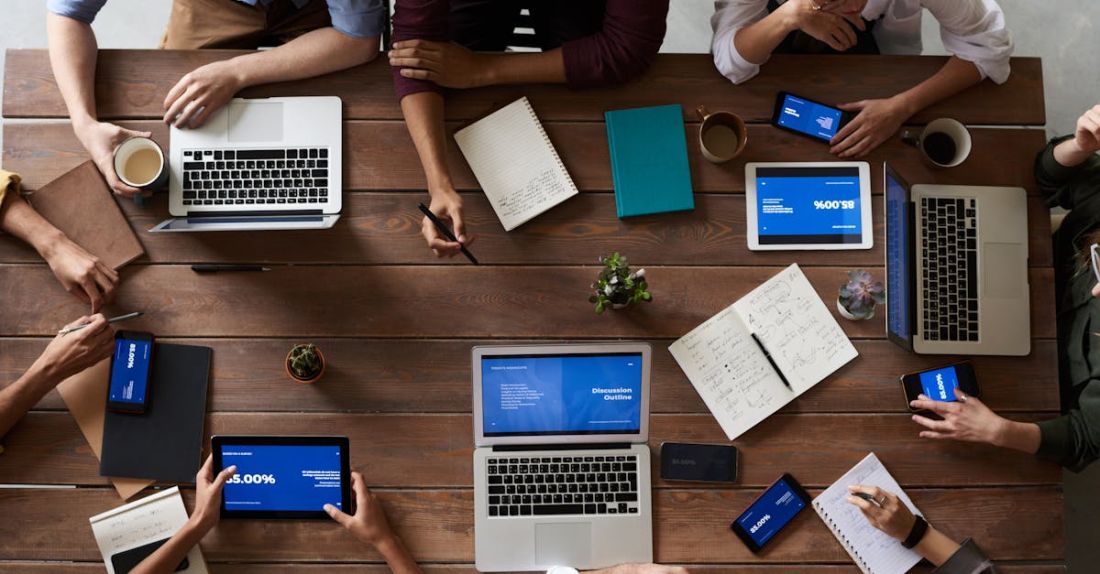
The world of design is constantly evolving, and collaboration is becoming increasingly crucial in creating outstanding and innovative designs. As technology continues to advance, designers are no longer confined to working alone but can now collaborate seamlessly with team members regardless of their physical location. In this article, we will explore some of the top tools for collaborative design that are revolutionizing the way designers work together to bring their creative visions to life.
Figma: The All-in-One Design Tool
Figma has quickly become a favorite among designers for its versatility and ease of use. This cloud-based design tool allows multiple users to work on a project simultaneously, making real-time collaboration a breeze. With features like shared design libraries, interactive prototyping, and commenting, Figma streamlines the design process and ensures that everyone is on the same page. Whether you’re working on a small project with a few team members or collaborating with a large design team, Figma is a powerful tool that can help you bring your ideas to fruition.
InVision: Bringing Designs to Life with Prototyping
Prototyping is an essential part of the design process, allowing designers to test and iterate on their ideas before finalizing a design. InVision is a popular prototyping tool that enables designers to create interactive prototypes that look and feel like the real thing. With features like user testing, version control, and collaboration tools, InVision makes it easy for teams to share and gather feedback on their designs. By using InVision, designers can create a more user-centered design process that results in better products and experiences.
Miro: Collaborative Whiteboarding for Design Teams
Whiteboarding has long been a staple in the design process, allowing teams to brainstorm, ideate, and visualize their ideas in a collaborative setting. Miro takes traditional whiteboarding to the next level by providing a digital platform where teams can work together in real time, regardless of their location. With features like sticky notes, shapes, and templates, Miro makes it easy for teams to organize their thoughts and turn ideas into actionable plans. Whether you’re working on a new design concept or mapping out a user journey, Miro is a versatile tool that can help your team stay organized and creative.
Slack: Communication Hub for Design Teams
Effective communication is key to successful collaboration, especially when team members are working remotely or in different time zones. Slack is a popular messaging platform that allows teams to communicate in real time, share files, and stay connected throughout the design process. With features like channels, direct messaging, and integrations with other tools, Slack keeps teams organized and ensures that everyone is on the same page. By using Slack, design teams can streamline their communication and focus on creating great designs without the distractions of endless emails or meetings.
Trello: Project Management Made Easy
Keeping track of tasks, deadlines, and project progress is essential for any design team, and Trello is a tool that simplifies project management and collaboration. Trello uses boards, lists, and cards to help teams organize their projects and workflows in a visual and intuitive way. With features like due dates, checklists, and team collaboration, Trello makes it easy for teams to stay organized and work together towards a common goal. Whether you’re managing a design project from start to finish or tracking the progress of individual tasks, Trello can help your team stay on track and deliver high-quality designs on time.
In conclusion, the top tools for collaborative design are revolutionizing the way designers work together to create innovative and impactful designs. By leveraging tools like Figma, InVision, Miro, Slack, and Trello, design teams can streamline their workflows, communicate effectively, and bring their creative visions to life. Whether you’re working on a small project with a few team members or collaborating with a large design team, these tools can help you stay organized, productive, and inspired throughout the design process.