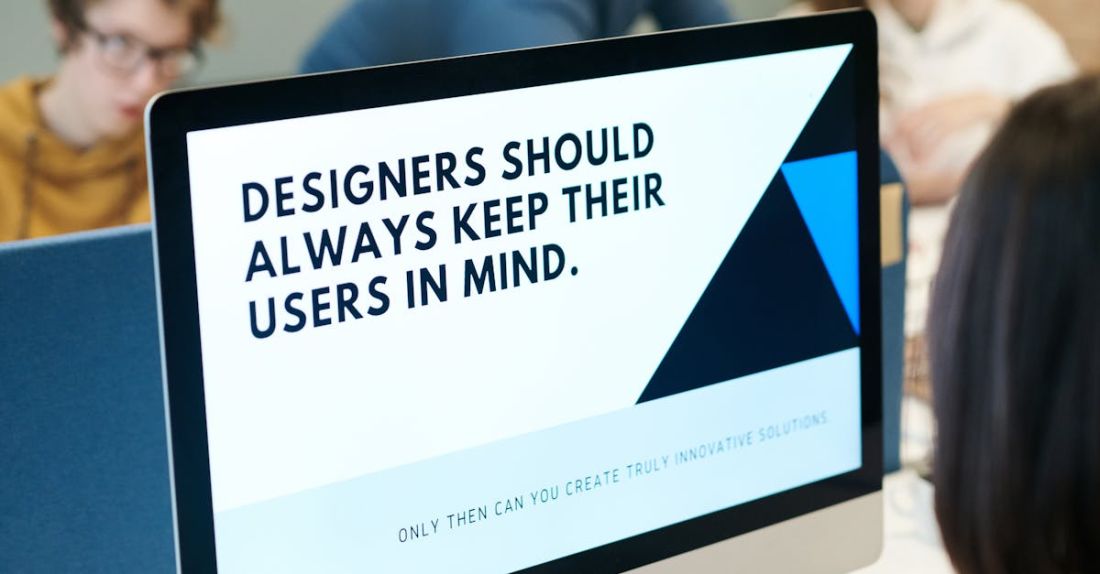
User experience (UX) and user interface (UI) design are crucial elements in creating successful digital products. The way users interact with a website or app directly impacts their overall satisfaction and engagement. To enhance user experience, designers rely on various UI/UX design tools that streamline the design process, improve collaboration, and ultimately create more intuitive and visually appealing products.
Understanding the Importance of UI/UX Design Tools
UI/UX design tools serve as the backbone of any design project, providing designers with the necessary resources to create user-friendly interfaces and seamless experiences. These tools encompass a wide range of functionalities, from wireframing and prototyping to user testing and collaboration. By utilizing these tools effectively, designers can bring their creative vision to life while also ensuring that the final product meets the needs and expectations of end users.
Choosing the Right Tools for the Job
In the ever-evolving landscape of design tools, it can be overwhelming to decide which ones are best suited for a particular project. When selecting UI/UX design tools, it’s essential to consider factors such as ease of use, compatibility with existing workflows, and the specific requirements of the project at hand. Some popular design tools include Sketch, Figma, Adobe XD, InVision, and Axure RP, each offering unique features and capabilities to enhance the design process.
Streamlining Collaboration with Design Tools
Effective collaboration is key to the success of any design project, especially when working on complex digital products with multiple stakeholders involved. UI/UX design tools play a crucial role in facilitating collaboration by providing features such as real-time editing, commenting, and version control. These tools allow designers, developers, and other team members to work together seamlessly, share feedback, and iterate on designs in a structured and efficient manner.
Enhancing Prototyping and User Testing
Prototyping is an essential step in the design process, allowing designers to create interactive mockups of their designs and test them with real users. UI/UX design tools offer robust prototyping features that enable designers to simulate user interactions, transitions, and animations, providing a realistic preview of the final product. Additionally, these tools often integrate user testing capabilities, allowing designers to gather valuable feedback from users and iterate on their designs based on actual user behavior.
Improving Accessibility and Inclusivity
Inclusive design is a fundamental principle in UI/UX design, ensuring that digital products are accessible to users of all abilities and backgrounds. UI/UX design tools can help designers create more inclusive designs by offering features such as color contrast checkers, screen reader compatibility, and accessibility testing tools. By incorporating these tools into their workflow, designers can ensure that their designs are not only visually appealing but also usable by a diverse range of users.
Optimizing Performance and Responsiveness
In today’s digital landscape, performance and responsiveness are critical factors in creating a seamless user experience across different devices and platforms. UI/UX design tools provide designers with the tools and resources to optimize their designs for speed, scalability, and compatibility. Features such as responsive design grids, asset optimization, and code export options help designers create designs that are not only visually engaging but also performant across various devices and screen sizes.
Empowering Creativity and Innovation
Ultimately, UI/UX design tools are not just about streamlining the design process but also empowering designers to unleash their creativity and innovate in their designs. With the right tools at their disposal, designers can experiment with new ideas, push the boundaries of traditional design conventions, and create unique and memorable user experiences. By harnessing the power of UI/UX design tools, designers can elevate their craft and deliver products that delight and engage users on a profound level.
In conclusion, UI/UX design tools play a pivotal role in enhancing user experience by providing designers with the resources and capabilities to create intuitive, visually appealing, and user-friendly digital products. By leveraging these tools effectively, designers can streamline their workflows, improve collaboration, and ultimately deliver products that meet the needs and expectations of today’s users. From prototyping and user testing to accessibility and performance optimization, UI/UX design tools empower designers to innovate, create, and shape the future of digital experiences.