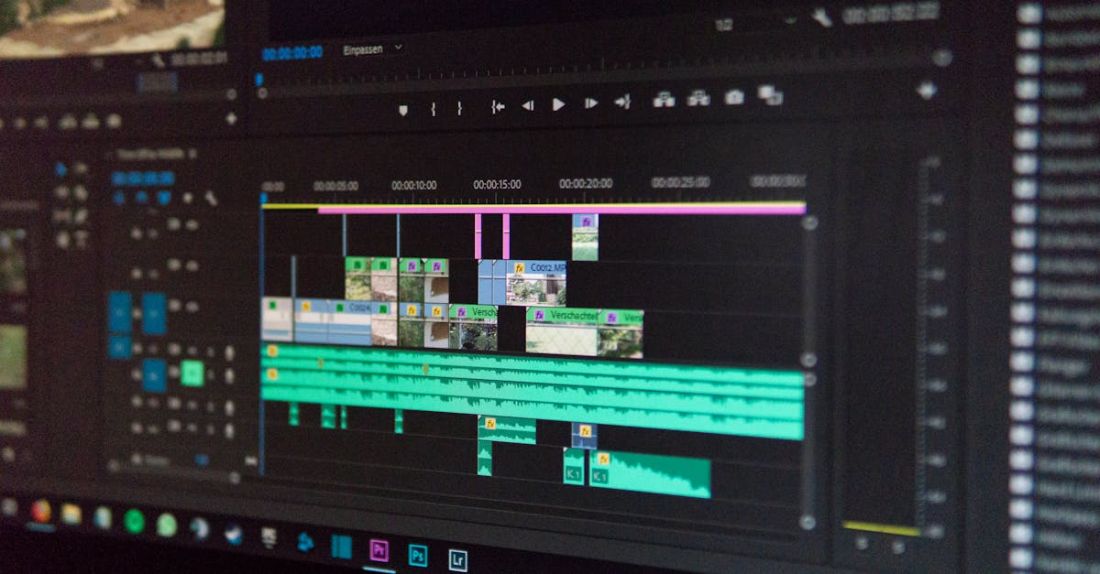
In today’s fast-paced business environment, tracking project progress is crucial for ensuring timely delivery and successful outcomes. Collaboration software has emerged as a powerful tool to streamline project management processes and enhance team communication. By leveraging the features of collaboration software, project managers can effectively monitor progress, allocate resources efficiently, and keep all team members on the same page. This article will delve into how you can harness the capabilities of collaboration software to track project progress seamlessly.
Enhanced Communication and Transparency
One of the key benefits of using collaboration software for tracking project progress is the enhanced communication it offers. With features such as real-time messaging, file sharing, and task assignment, team members can easily collaborate and share updates on project tasks. This transparency fosters a sense of accountability among team members and ensures that everyone is aware of the project status at all times.
Centralized Task Management
Collaboration software provides a centralized platform for managing project tasks, deadlines, and milestones. By creating a shared dashboard where all project-related information is stored, team members can easily access the latest updates and track their individual tasks. This centralized approach eliminates the need for endless email threads and spreadsheets, making project tracking more efficient and less prone to errors.
Real-Time Progress Tracking
One of the most valuable features of collaboration software is its ability to track project progress in real-time. Project managers can set up automated notifications and alerts to keep track of deadlines, task dependencies, and potential bottlenecks. By having a bird’s eye view of the project timeline, managers can identify any issues early on and take corrective actions to keep the project on track.
Resource Allocation and Workload Management
Effective project tracking also involves managing resources and workloads efficiently. Collaboration software allows project managers to allocate tasks based on team members’ availability and skill sets. By tracking individual workloads and progress, managers can ensure that tasks are evenly distributed and deadlines are met without overburdening any team member. This proactive approach to resource allocation helps prevent burnout and ensures a balanced workload distribution.
Streamlined Reporting and Analytics
Collaboration software often comes equipped with reporting and analytics tools that provide valuable insights into project performance. By generating custom reports on key metrics such as task completion rates, project milestones, and team productivity, project managers can make data-driven decisions to optimize project processes. These reports also help in identifying trends, bottlenecks, and areas for improvement, enabling teams to continuously enhance their project tracking strategies.
Effective Stakeholder Engagement
Tracking project progress is not just about monitoring tasks and deadlines; it also involves engaging stakeholders and keeping them informed about the project status. Collaboration software facilitates seamless communication with stakeholders through features like progress dashboards, status updates, and interactive reports. By involving stakeholders in the project tracking process, teams can gain valuable feedback, address concerns promptly, and ensure alignment with project goals.
Conclusion: Mastering Project Progress Tracking with Collaboration Software
In conclusion, collaboration software is a game-changer when it comes to tracking project progress effectively. By leveraging its communication features, centralized task management, real-time progress tracking, resource allocation tools, reporting capabilities, and stakeholder engagement functionalities, teams can streamline project management processes and achieve successful project outcomes. Embracing collaboration software as a project tracking tool empowers teams to stay organized, informed, and agile in today’s dynamic business landscape. By adopting best practices and utilizing the full potential of collaboration software, project managers can drive productivity, foster collaboration, and deliver projects on time and within budget.