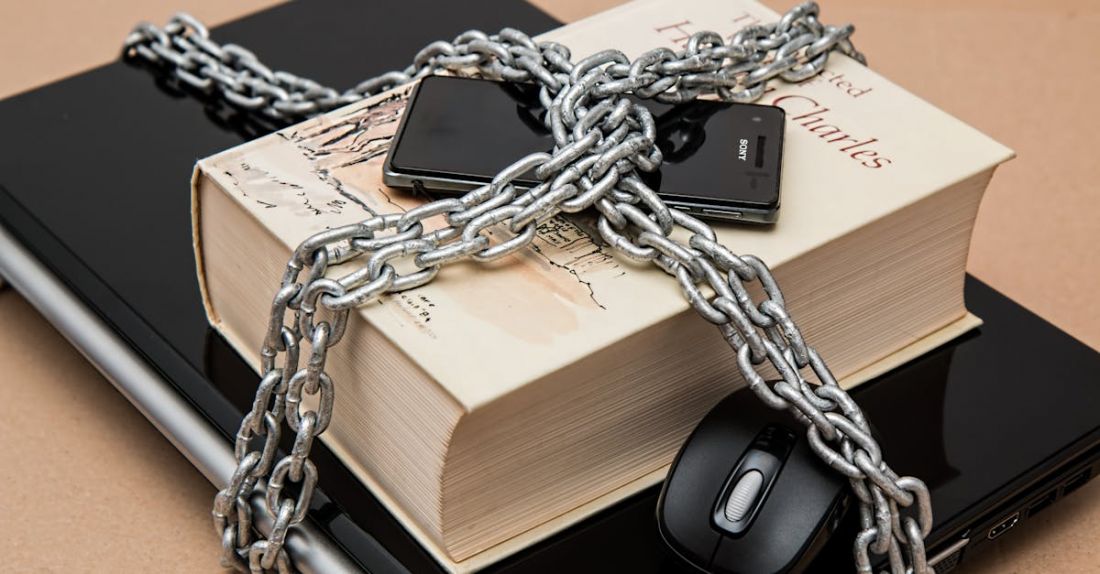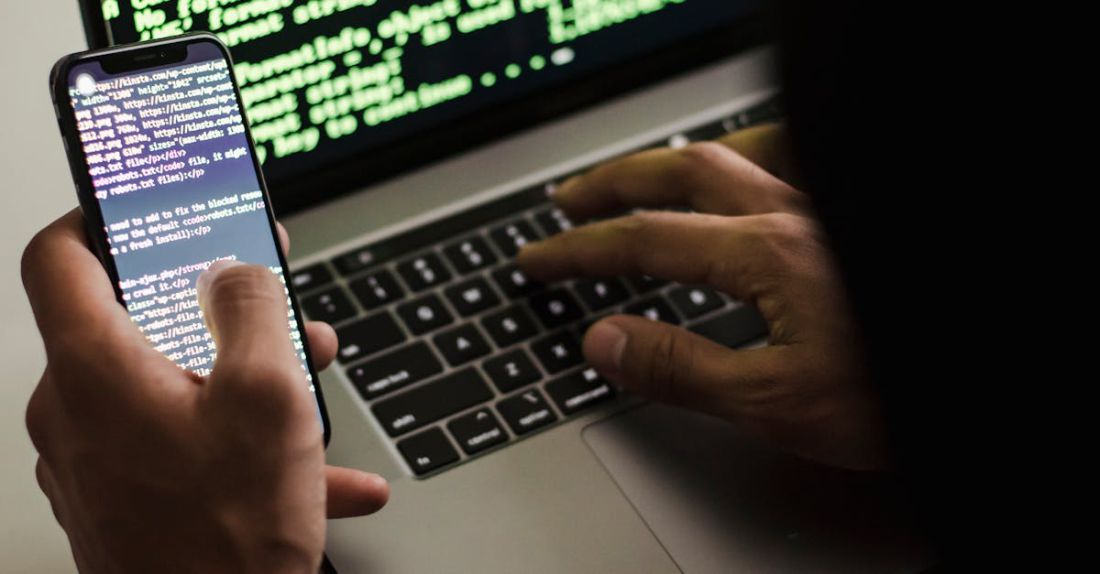
In today’s increasingly digital world, the need for robust security measures to protect personal and sensitive information has never been more critical. One effective method that individuals and organizations can implement to enhance their cybersecurity is two-factor authentication (2FA). This additional layer of security goes beyond the traditional password protection by requiring users to provide a second form of verification before gaining access to their accounts or systems. In this article, we explore the benefits of using two-factor authentication and why it is essential in safeguarding against cyber threats.
Enhanced Security
One of the primary benefits of using two-factor authentication is the enhanced security it provides. Passwords alone are no longer sufficient to protect against sophisticated hacking attempts. By requiring a second form of verification, such as a unique code sent to a mobile device or a biometric scan, 2FA significantly reduces the risk of unauthorized access to accounts. Even if a malicious actor manages to obtain a user’s password, they would still need the additional factor to gain entry, making it much harder for cybercriminals to compromise accounts.
Protection Against Phishing
Phishing attacks, where hackers attempt to trick individuals into revealing their login credentials through deceptive emails or websites, are a common threat in the digital landscape. Two-factor authentication can help mitigate the risks associated with phishing by adding an extra layer of verification. Even if a user unwittingly provides their password in response to a phishing attempt, the attacker would still be unable to access the account without the second factor, thwarting their malicious efforts.
Secure Remote Access
With the rise of remote work and the increasing reliance on cloud-based services, secure access to sensitive data from various locations has become a necessity. Two-factor authentication offers a secure solution for remote access by ensuring that only authorized users can log in to company systems or access confidential information. Whether employees are working from home, a coffee shop, or a different country, 2FA helps maintain the integrity of the organization’s data and systems.
Compliance Requirements
Many industries, particularly those dealing with sensitive information such as healthcare or finance, are subject to strict regulatory requirements regarding data security and privacy. Implementing two-factor authentication can help organizations meet these compliance standards by demonstrating a commitment to safeguarding confidential data. Compliance with regulations not only helps avoid costly fines and legal repercussions but also enhances the trust and credibility of the organization in the eyes of customers and stakeholders.
User-Friendly Experience
Despite the added layer of security, two-factor authentication does not have to be a cumbersome or time-consuming process for users. Many services now offer convenient methods for verifying identities, such as biometric authentication, push notifications, or authenticator apps, which streamline the verification process and enhance the user experience. By striking a balance between security and usability, 2FA ensures that individuals can protect their accounts without sacrificing convenience.
Adaptability to Different Devices
Another advantage of two-factor authentication is its adaptability to various devices and platforms. Whether users are accessing their accounts from a laptop, smartphone, or tablet, they can still benefit from the added security provided by 2FA. This flexibility allows individuals to secure their accounts across multiple devices, ensuring consistent protection regardless of the technology they are using.
In conclusion, the benefits of using two-factor authentication extend far beyond just enhancing security. From protecting against phishing attacks to ensuring compliance with regulations and offering a user-friendly experience, 2FA is a crucial tool in safeguarding sensitive information in today’s digital age. By implementing this additional layer of security, individuals and organizations can significantly reduce the risk of unauthorized access and protect their valuable data from cyber threats.